
Bringing Back the Best of Club Sport

If you've been involved in community sport for a while, you'll probably remember a time when the game itself was only part of the day.
Whether it was tennis, squash, rugby, cricket or netball, there was an expectation that after the final whistle, the last point or the end of the match, people would stay. They'd grab a cup of tea, a coffee, a cold drink or something to eat, catch up with teammates and opponents, and spend time in the clubrooms.

For many clubs, those traditions have faded over time. Busy lives, changing social habits and the increasing pressure to fit sport around work and family commitments mean many of us now arrive just in time to play and leave as soon as we're finished.
While that's understandable, something valuable has been lost along the way.
At Khandallah Tennis & Squash Club, we're keen to reintroduce some of the traditions that made sporting clubs such important community hubs for generations.
More Than Just a Place to Play
Historically, sports clubs were social centres as much as sporting venues. The clubrooms were where friendships were formed, new members were welcomed, and knowledge was passed from one generation to the next.
Young players mixed with experienced players. New members met long-time members. Opponents became friends.
The courts were where the sport happened, but the clubrooms were where the club was built.
Many lifelong friendships, business relationships and even marriages began in sports club lounges around New Zealand.
The Importance of Staying for a While
One of the traditions we would love to see more of is simply people staying after they play.
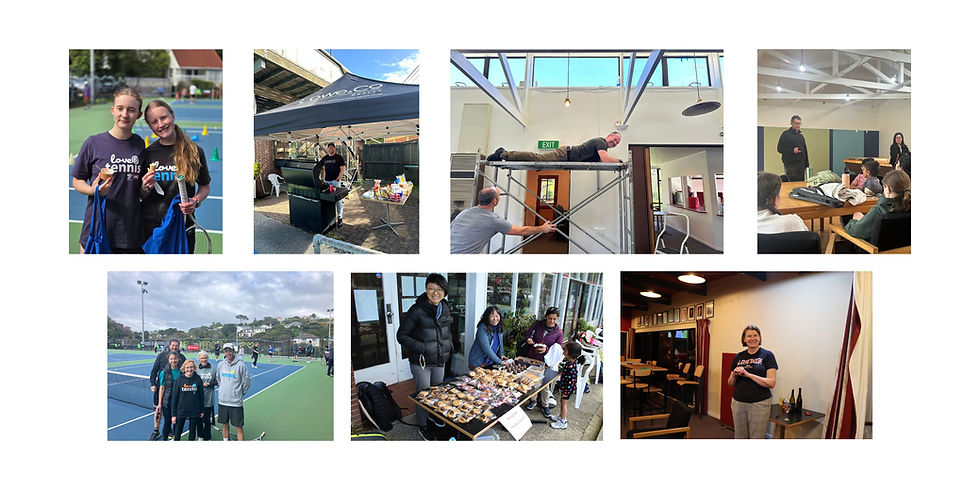
That doesn't necessarily mean spending hours at the club. It might be stopping for a coffee after a morning hit, sharing a drink after interclub, enjoying a sausage sizzle at a tournament, or sitting down for a quick chat before heading home.
Those small interactions create a sense of belonging that can't be achieved through bookings, apps and social media alone.
Clubs thrive when people know one another, not just recognise one another.
Food, Hospitality and Community
Another longstanding tradition of community sport has been food.
For decades, volunteers have staffed kitchens, cooked bacon sandwiches, run barbecues, baked slices and served hot drinks. It wasn't just about raising funds. It was about creating an atmosphere that encouraged people to stay, connect and support one another.
When families linger after junior sport, when players stay to watch later matches, and when visitors are welcomed with a friendly face and something to eat or drink, clubs become places people genuinely want to spend time.
Supporting the Next Generation
Strong club cultures don't happen by accident.
Many of today's players learned the values of sportsmanship, volunteering and community because they watched older generations demonstrate them. They learned to help stack chairs, wash dishes, support teammates and welcome visitors.
When people spend time together beyond the game itself, those traditions are naturally passed on.
Looking Forward by Looking Back
We're not trying to turn back the clock.
Modern life is different, and everyone is busier than ever. But some of the best aspects of club sport remain just as relevant today as they were fifty years ago.
A welcoming clubroom. A hot drink on a winter afternoon. A cold drink after a match. Good conversation. Supporting others from the sidelines. Staying to watch the next game. Lending a hand when needed.
These simple traditions help transform a sporting facility into a community.
As we continue to grow, we'd love to see more members and families making use of our clubrooms and spending a little extra time at the Club. Invite the opposition team into the lounge and take the opportunity to get to know the people you are playing against.
These simple traditions help build the sense of community that has always been at the heart of club sport. Because while great facilities matter, it's the people, friendships and connections formed around them that make a club truly special.
And some traditions are worth keeping alive.


Comments